Amsterdam’s faltering heart: are residents losing ground to tourists?
Urban geographer Fenne Pinkster studies what mass tourism does to the city, and to the daily lives of Amsterdammers
23 July 2026
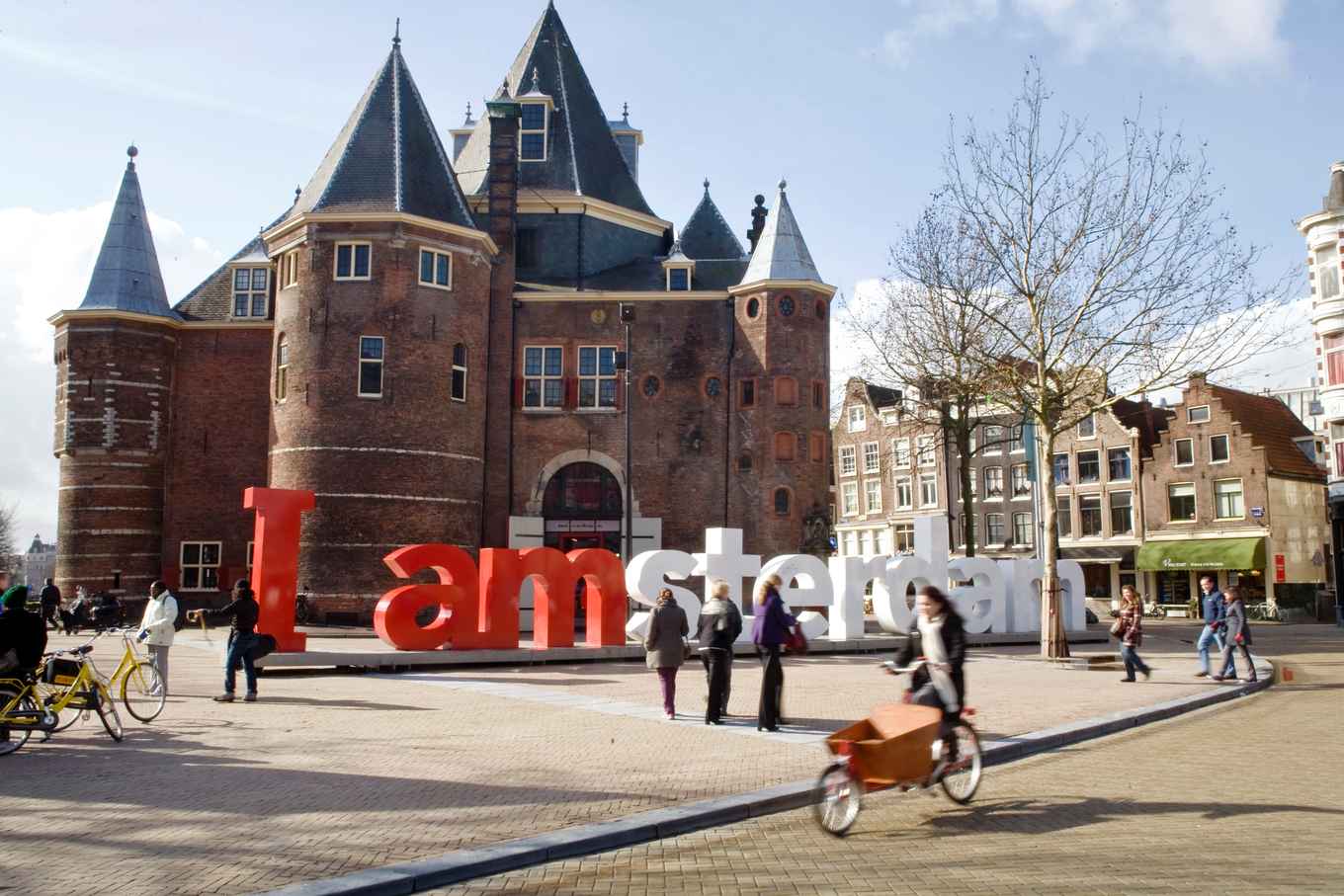
Amsterdam has always been an international city, and many Amsterdammers feel tourists belong here. But the scale has changed, Pinkster explains, for several reasons. People have more to spend and flights have become cheaper, while social media platforms like TikTok and Instagram can suddenly make certain places world‑famous. In addition, Amsterdam’s canal ring was officially added to the UNESCO World Heritage List in 2010.
Tourists spend more than residents
The growth of tourism has a major impact on how the city is shaped, Pinkster explains: ‘Visitors spend far more in a few days in Amsterdam than the average resident. On holiday you soon think: “I’m here now, so I may as well splash out.” There is simply more money to be made from tourists, and the visitor economy responds to that.’
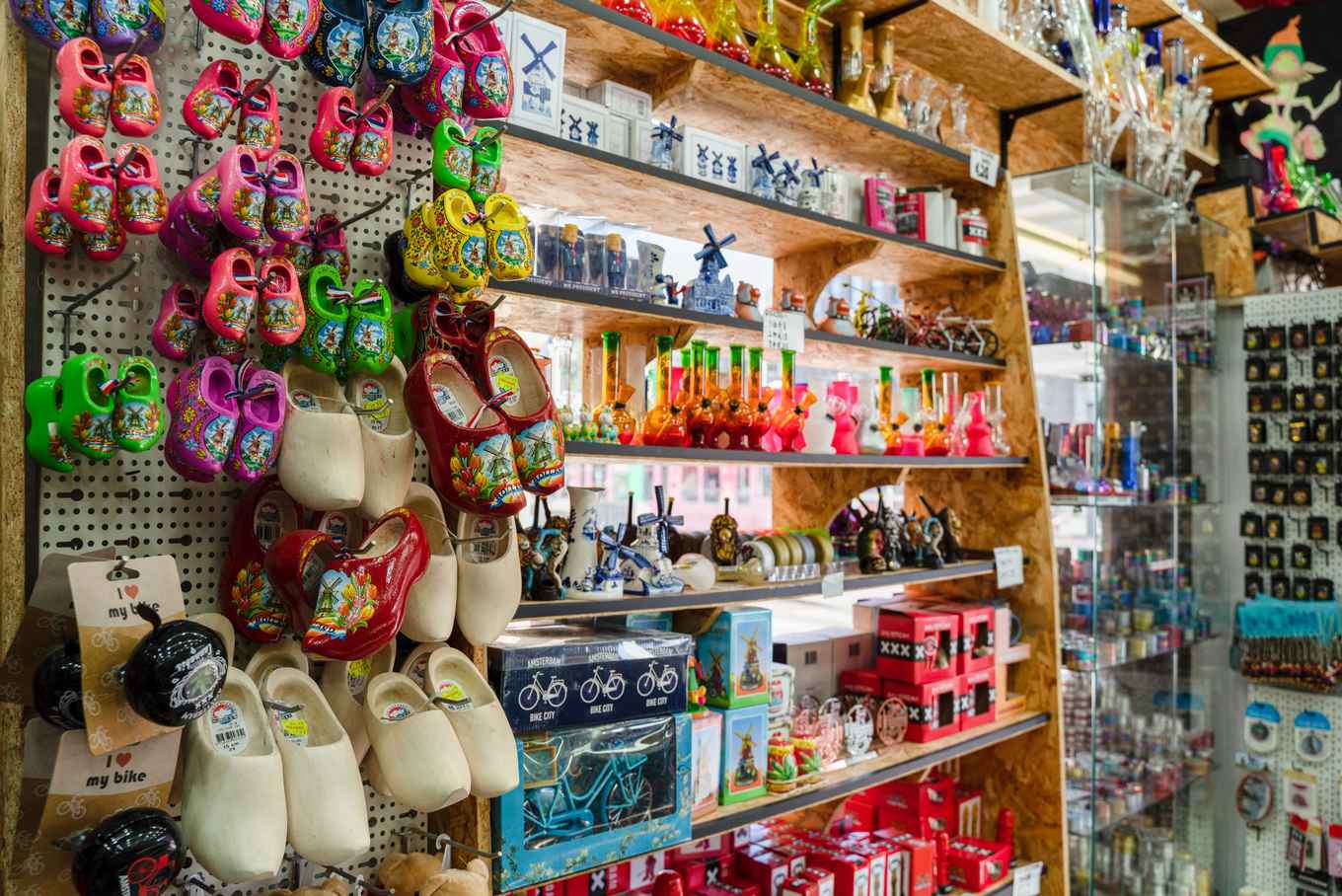
While some entrepreneurs earn handsomely from tourism, local services are under pressure. Bakers, small specialist shops and GP practices are becoming scarcer due to high rents in the city centre. It is also a challenge for residents to visit cultural institutions such as the Anne Frank House, because tickets are bought up by tour operators. On top of that, the centre is incredibly crowded. Pinkster: ‘These kinds of developments mean that Amsterdammers who don’t live in the city centre increasingly avoid the area. The city centre is also the only district where the number of residents is falling, while the city as a whole grows by 10,000 inhabitants a year.’

Fenne Pinkster is an urban geographer affiliated with the Department of Geography, Planning and International Development Studies and the Centre for Urban Studies. Born and bred in Amsterdam, she draws inspiration from what she sees on the streets every day. Her research focuses on the ‘lived city’: how residents experience, use and shape their neighbourhood and city. She looks at who feels at home and who is excluded, and how urban change affects different groups unequally.
Amsterdam is different from Paris
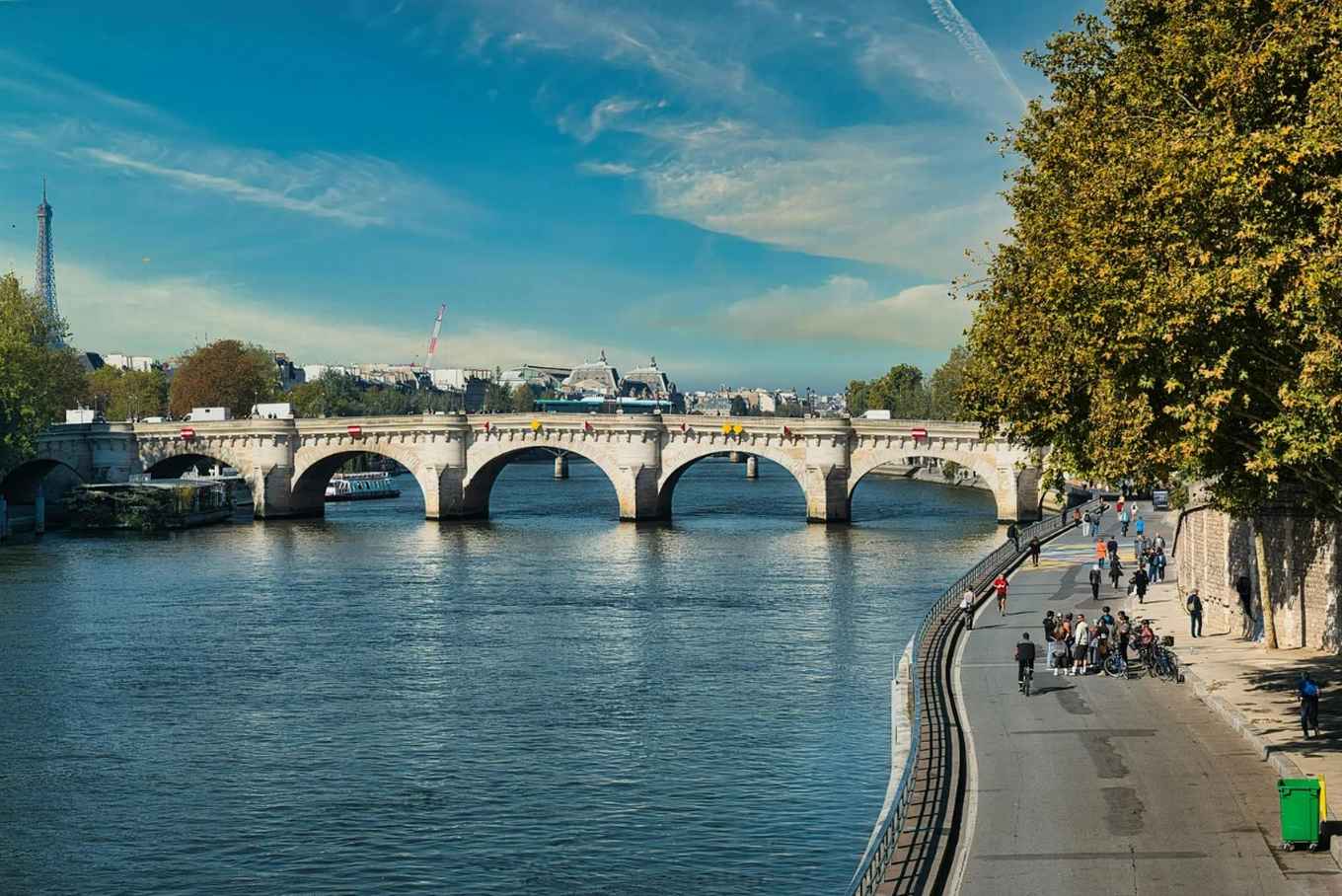
Other major European cities also struggle with large tourist numbers. Even so, there are differences with Amsterdam, Pinkster notes: ‘The centre is very compact. Those 22 million visitors a year arrive in a relatively small city with narrow streets and canals. There simply isn’t enough space to absorb such numbers. Paris is very different, with its broad boulevards. The City of Amsterdam can try to “spread tourists across the city”, but ultimately tourists still come to the centre for the canals.’
The hollowing out of the city centre is about more than tourism alone
Pinkster does not see mass tourism as a standalone problem. It is intertwined with other forms of internationalisation: ‘There are many expats who, thanks to favourable tax rules, can pay higher rents and thereby push up housing prices. There are also more and more international chains that can afford high central rents at the expense of local shops. And then there are large companies like Airbnb that profit from short‑term letting and also drive up house prices. All developments that make the centre less attractive or accessible for residents. In other words, the hollowing out of the city centre’s local function is a complex social issue that seems impossible to solve entirely at the local level.’
What is the municipality doing?
It took a while, but the municipality is now doing its best to limit the negative effects of tourism. That does not always have the desired effect, however. ‘They’ve banned the beer bike, for example, but clever entrepreneurs often dream up another tourist attraction that isn’t banned yet but still causes nuisance. So the municipality keeps having to make after‑the‑fact adjustments.’
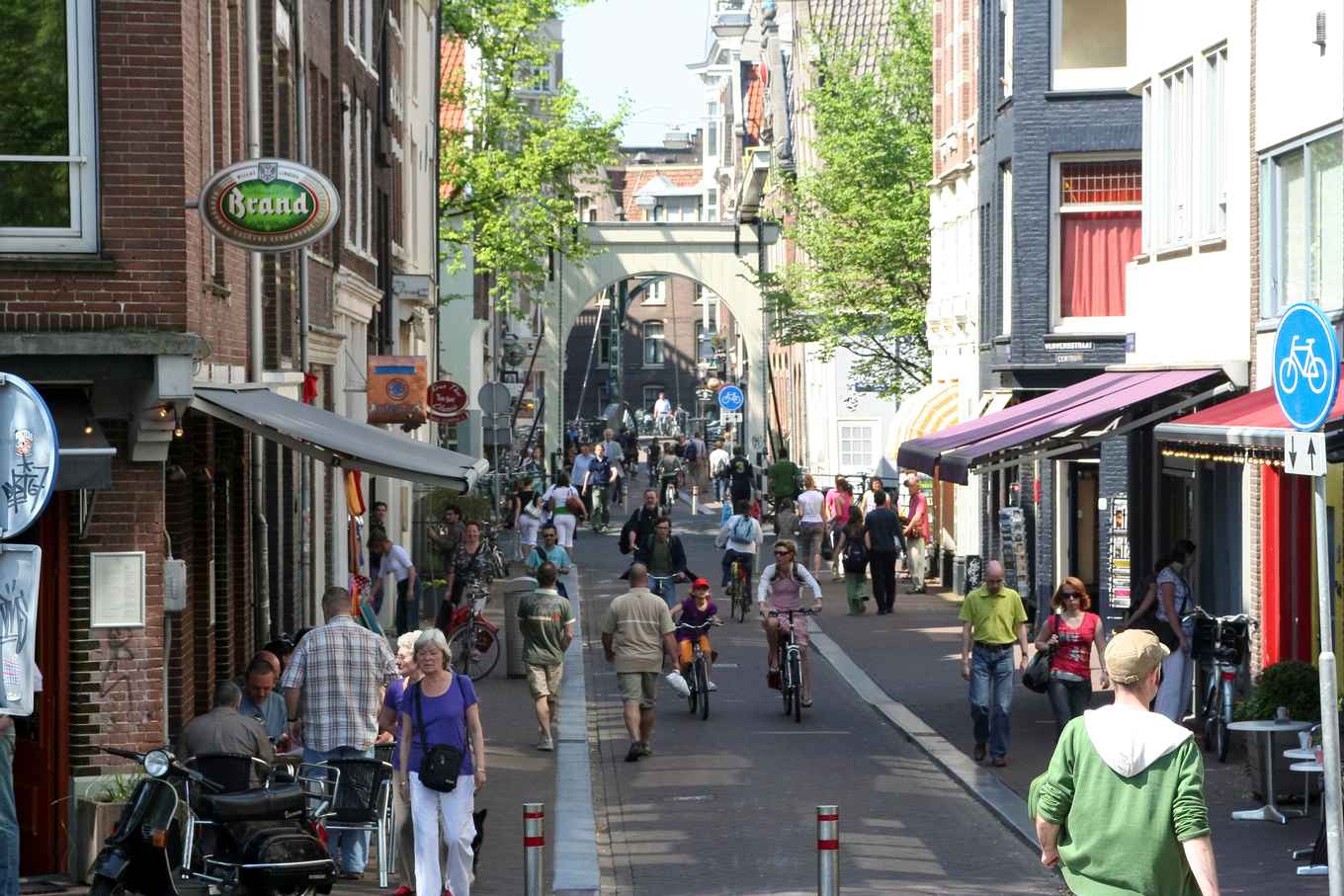
This late response shows up elsewhere too, Pinkster knows from her research: ‘The City of Amsterdam is less proactive than other cities. Despite many complaints from residents, it took quite a long time to introduce, for example, a moratorium on new hotels and to restrict letting via Airbnb. Other European cities, such as in Italy, are more proactive in protecting local functions, for instance by buying up properties and subsidising small entrepreneurs.’
Tourist tax
A key argument for tourism is, of course, the income it generates. But that is disappointing: much of the revenue goes to international platforms such as Airbnb and large hotel or retail chains. Little of that flows back to the city. In recent years, however, the municipality has significantly increased the tourist tax. ‘I hope the revenue will be used more deliberately. For example, through property funds and by supporting local services.’
More inclusive tourism
There are now entrepreneurs who are taking a different approach. ‘Neighbourhood hotels are trying to give something back locally. For example by offering weekly low‑cost meals to residents, or by creating jobs for specific groups. Tourists can also go “plastic fishing” on the canals, helping to reduce pollution. It’s all small‑scale - a drop in the ocean, really - but these are still building blocks for a more inclusive form of tourism.’

What can Amsterdammers do?
Many Amsterdammers look to the municipality when it comes to tourism, but residents themselves can also do their bit, Pinkster explains. ‘Keep using the city centre as a resident: go to the market, the library and do your daily shopping there. That way, shops and services that don’t depend on tourism can stay open. And in other parts of the city, choose local entrepreneurs to spend your money with.’
Amsterdam of the future
Despite municipal measures, tourism keeps growing. What does the future look like for tourist Amsterdam? ‘I always say: the only truly effective measure is to reduce Schiphol’s capacity. If things continue like this, the number of city‑centre residents will keep falling and the area will become a purely tourist façade. I hope we find a balance, where policy sets limits and organises tourism in such a way that it doesn’t hollow out the city as a place to live, but strengthens it.’