Henny Bos co-authored brief for US Supreme Court: ‘Every incorrect statement or wording can be challenged’
29 October 2026
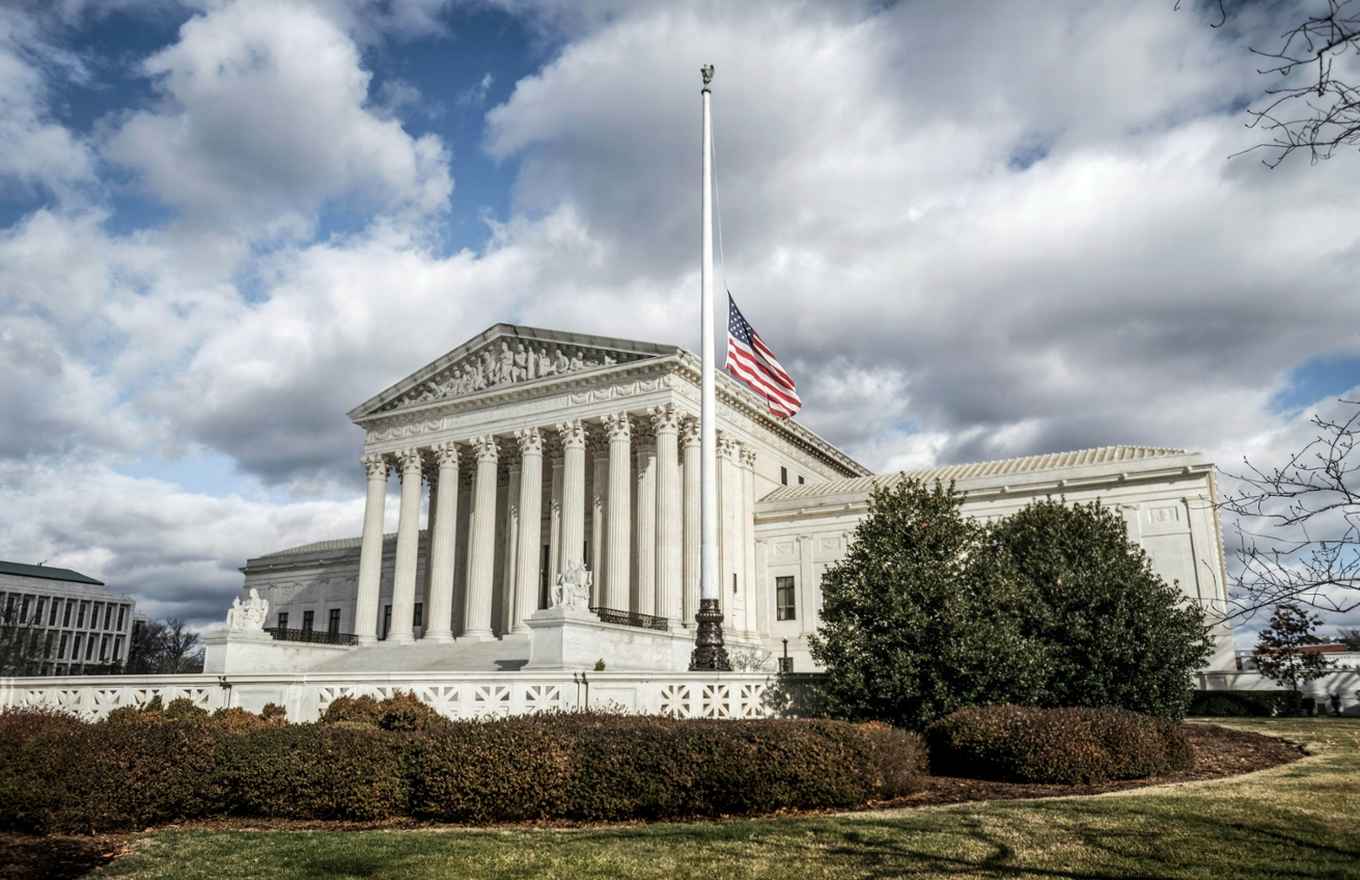
May preschools that are funded with public money refuse children because they or their parents are LGBTQ+? That is the question before the US Supreme Court in the case St. Mary Catholic Parish v. Roy.
The court case in brief
In Colorado, preschools – comparable to the Dutch peuter- and kleuterklas – can receive state funding for the education of young children. That funding comes with a condition: schools may not refuse children because of their sexual orientation or gender identity, or that of their parents. This includes, for example, children with two mothers or two fathers, or children who are transgender.
A Catholic school organisation disagrees with this condition. In its view, the rule restricts its freedom to act in accordance with its faith.
‘This was the last time we emailed about this’
Together with American psychologist Ilan Meyer and legal experts, Henny Bos wrote an amicus curiae brief – a document in which experts provide the court with additional information. They are not themselves parties to the case. Their message is clear: prevent discrimination against children and parents by public authorities.
Bos’s involvement began with a short email from Dr Ilan Meyer. She has known the American psychologist since the start of her career. Meyer became an important academic colleague; they continued to meet at conferences and also worked together during Bos’s period at the University of California.
Meyer asked whether she could talk on the phone at short notice. It was about the Supreme Court, he wrote. On the phone, he explained the court case and the possibility of submitting a brief. Bos immediately said yes. Meyer replied: ‘Then this was also the last time we emailed about this.’ He did not want to take any risks, because emails from US universities can be requested by the government. Personal or political remarks in those emails might raise doubts about their work as researchers, Bos explains.
Supporting the State of Colorado
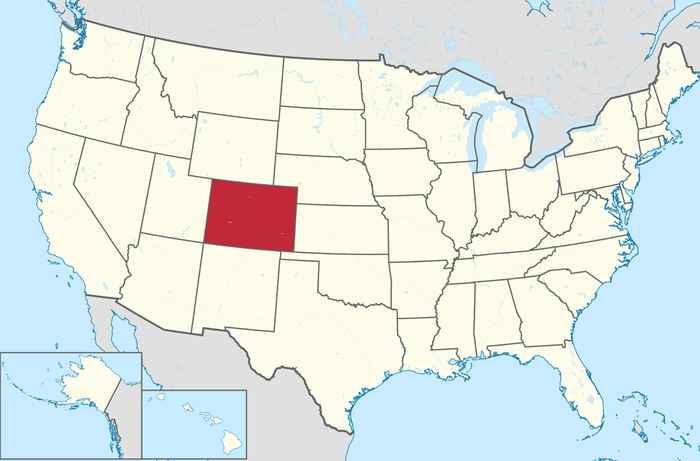
Bos and Meyer continued to work on the brief in online meetings. They support the State of Colorado: schools that participate in the programme and receive public funding for it may not exclude children and families.
According to Bos, the harm caused by discrimination goes far beyond not being able to attend a particular school. ‘The mere idea that a school funded with public money would be allowed to refuse your family can cause stress. It can make people feel that they do not belong.’
Parents who feel unsafe or excluded can unconsciously pass their stress on to their childrenHenny Bos
Minority stress model
The brief draws on the minority stress model developed by Meyer. This model explains how discrimination and negative reactions may affect the mental health of people from sexual and gender minorities.
‘Sexual and gender minorities may be confronted with insults, belittling jokes or other hurtful responses,’ Bos says. ‘Discrimination by public authorities can also make them expect that others will react negatively, which means they are more likely to hide their identity or family situation. Discrimination can furthermore lead them to think negatively about themselves.’
In LGBTQ+ families, that tension can also affect the children. Parents who feel unsafe or excluded can unconsciously pass their stress on to their children. According to Bos, the case is therefore not only about access to a single school. It is also about the message the government sends: are all families equal?
Taboo on diversity
Initially, Bos and Meyer wanted to put forward a different argument. Bos refers to research showing that children with LGBTQ+ parents are better able to deal with differences than children with heterosexual parents. According to that research, they are also better at seeing things from the perspective of people who think differently.
Bos adds: ‘In short, children of LGBTQ+ parents are better equipped to navigate diversity. But Meyer immediately said: “Diversity – that is a word we should not use. It makes everyone here go off the deep end.”’
Checking every fact
Drafting the brief required a very high degree of care. Bos and Meyer were supported by legal experts and data analysts at the Williams Institute at the University of California. Two independent lawyers also checked all the facts. Bos explains why: ‘Every incorrect statement or wording can be challenged in a court case.’
It still feels a bit as if I am letting my colleagues downHenny Bos
No more trips to the United States
Bos never hesitated about contributing to the brief. Still, it has major personal consequences for her. For many years she travelled to academic conferences in the United States, often combining those trips with a holiday with her mother. Because of the political situation she decided not to go last year for the first time.
‘I did not feel comfortable in a country where someone is in power who thinks so negatively about sexual and gender minorities. I was also afraid that my research might cause problems at the border. After this brief, travelling to the US is completely out of the question.’
Missing her ‘research family’
Many of Bos’s long-standing colleagues live in the United States. That makes her decision especially difficult. ‘Together, we use academic research to try to improve people’s lives. Although I am still in very close online contact with my “research family” there, it still feels a bit as if I am letting them down,’ Bos says. Colleagues such as Meyer actively advise her not to come. In their view, a trip would be too dangerous for her.
Situation in the Netherlands
The Netherlands has a different system for funding schools. Even so, Bos notes that developments in the United States do have an impact here. A recent study, for example, shows that Dutch young people have become much more negative about homosexuality in recent years.
‘Many developments that you see in the US are also reflected in Dutch society. The principle that people may not be excluded on the basis of their identity is important here. But that does not mean that discrimination does not occur in practice,’ Bos explains.
Anyone who receives public funding may not refuse children and families because of their sexual orientation or gender identityHenny Bos
What happens next?
The brief has now been submitted to the Supreme Court. The Court also receives documents from the parties to the case and from other experts. The hearing is scheduled for 4 November. The ruling will follow at a later date.
What does Bos think the Court will decide? ‘On the one hand, the Supreme Court has many older white Republicans on it. They may look at this issue differently. On the other hand, the State of Colorado simply has a very strong case,’ she argues. ‘Schools must be free to decide whether they take part in the preschool programme. But anyone who receives public funding may not refuse children and families because of their sexual orientation or gender identity.’
A matter of principle
The case shows how quickly a conflict about religious freedom, public funding and equal access to education can escalate into a legal battle. ‘It is fundamentally about one thing,’ Bos concludes. ‘That public authorities must not discriminate.’