Collection in Focus: From Anabaptist Hymnal to Confession of Faith
Digitalisering van erfgoed
16 September 2026
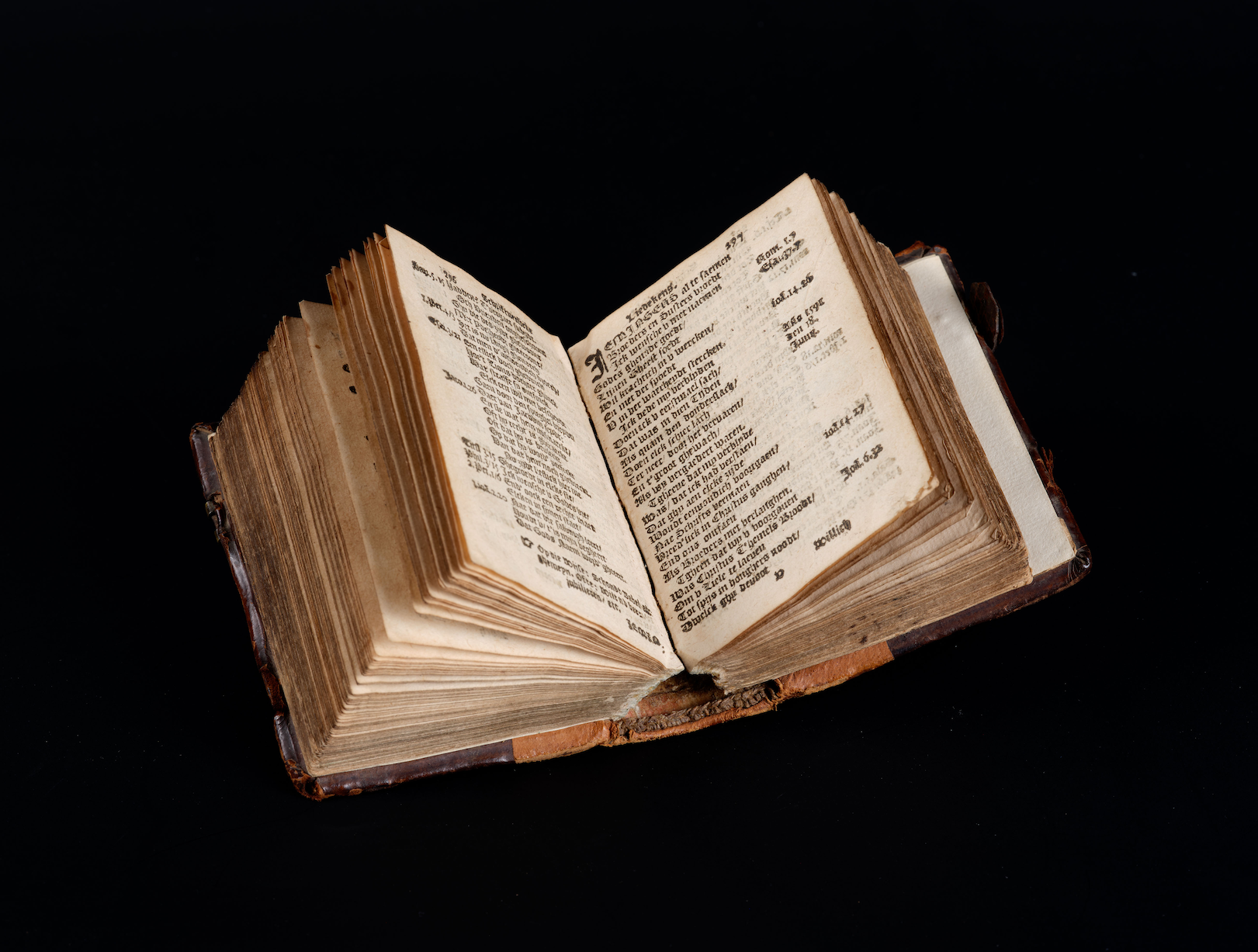
A remarkable Anabaptist hymnbook from 1593, compiled by the minister and hymn writer Leenaert Clock, has recently become available online through the digital repository of the Allard Pierson. The booklet is part of a larger digitization project focusing on the historical library of the Verenigde Doopsgezinde Gemeente Amsterdam. With the support of the Oosterbaan Fund and the ‘Stichting tot Beheer van de Bibliotheek van de Verenigde Doopsgezinde Gemeente Amsterdam’, valuable early printed books from this collection are being made fully accessible to an international audience.
In this first phase, the focus was on approximately 150 printed works from before 1700, published in the Low Countries, that had not previously been reproduced online anywhere in the world. In many cases, these are unique copies of works including confessions of faith, spiritual pilgrimages, theological treatises, and hymn collections. In a subsequent phase, more works from this historical library will be made available.
Discovering the Bible through Song
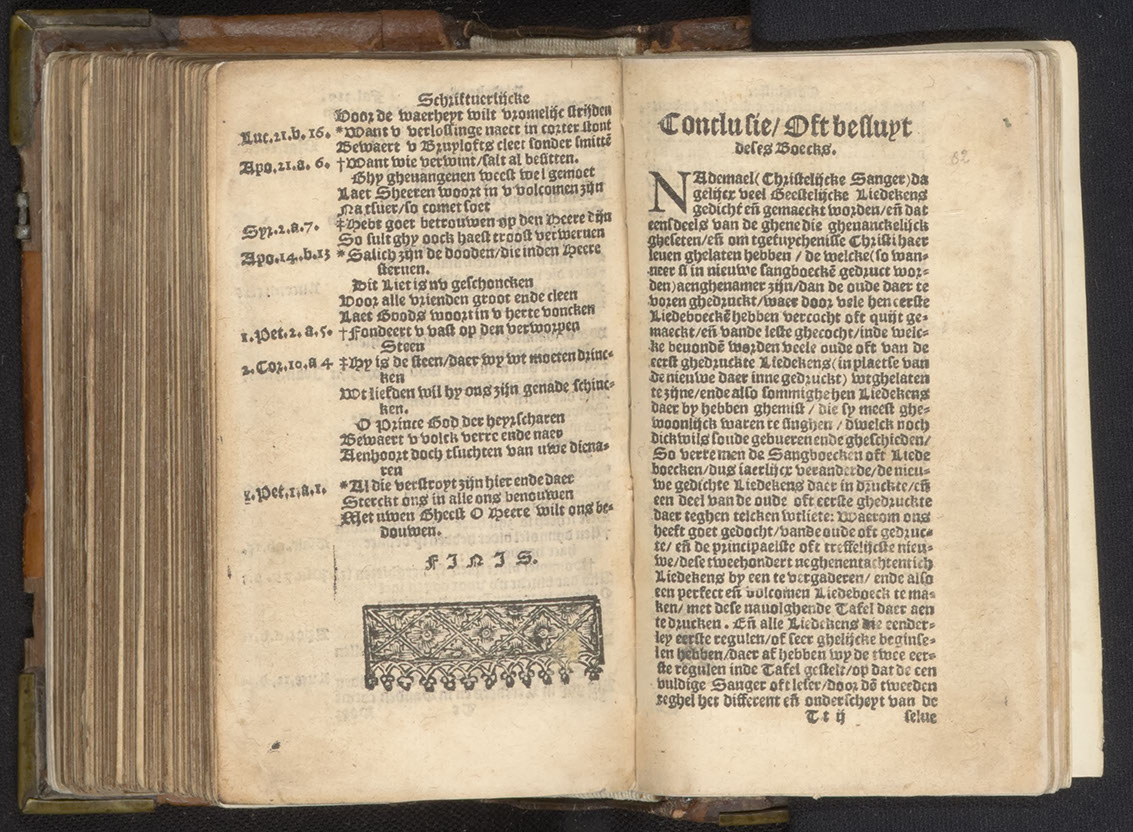
From the very beginning of the Anabaptist movement, which later became known in the Netherlands as the Doopsgezind movement, singing played an important role. A defining feature of Anabaptists was adult baptism, which followed a confession of faith based on a conscious choice grounded in personal knowledge of the Bible. Hymns were an important means of learning the biblical message. This is also reflected in the early hymnbooks. Many hymns included references to relevant Bible passages in the margins. A hymn was therefore not only intended to be sung but could also invite further study of Scripture.
An important place in this tradition is occupied by the collection Veelderhande liedekens. The first edition appeared around 1550, during the persecution of the Anabaptists, and is known as the earliest surviving collection of hymns by various poets associated with the Anabaptist movement in the Low Countries. The collection was widely circulated and appeared in numerous expanded reprints, including an edition from 1580, which was digitized during this first phase of the project.
Other Reformation groups also initially made use of these hymns. Among the Calvinists, however, resistance to singing newly composed spiritual songs emerged during this period, and the Psalms in the metrical translation by Petrus Datheen came to be preferred. Among the Anabaptists the demand for new spiritual songs continued. Successive editions continually added new hymns. In this way, hymn culture evolved alongside the development of the movement.
A Movement with Many Different Currents
After the initial period of emergence and persecution, the Anabaptists entered a more peaceful phase, during which they further developed their identity. Following the deaths of leaders such as Dirk Philips and Menno Simons, after whom the Mennonites are named, leadership passed into the hands of younger generations. The communities developed a considerable degree of independence. At the same time, the arrival of Flemish refugees in the north brought new influences.
Differences in views on faith and religious practice led to the emergence of several distinct currents within the Anabaptist movement. On the one hand, there were the spiritually oriented Waterlanders and on the other, the more orthodox Flemish and Frisian groups. This diversity can also be found in the hymns. Each group adopted its own collection.
New Songs, New Voices
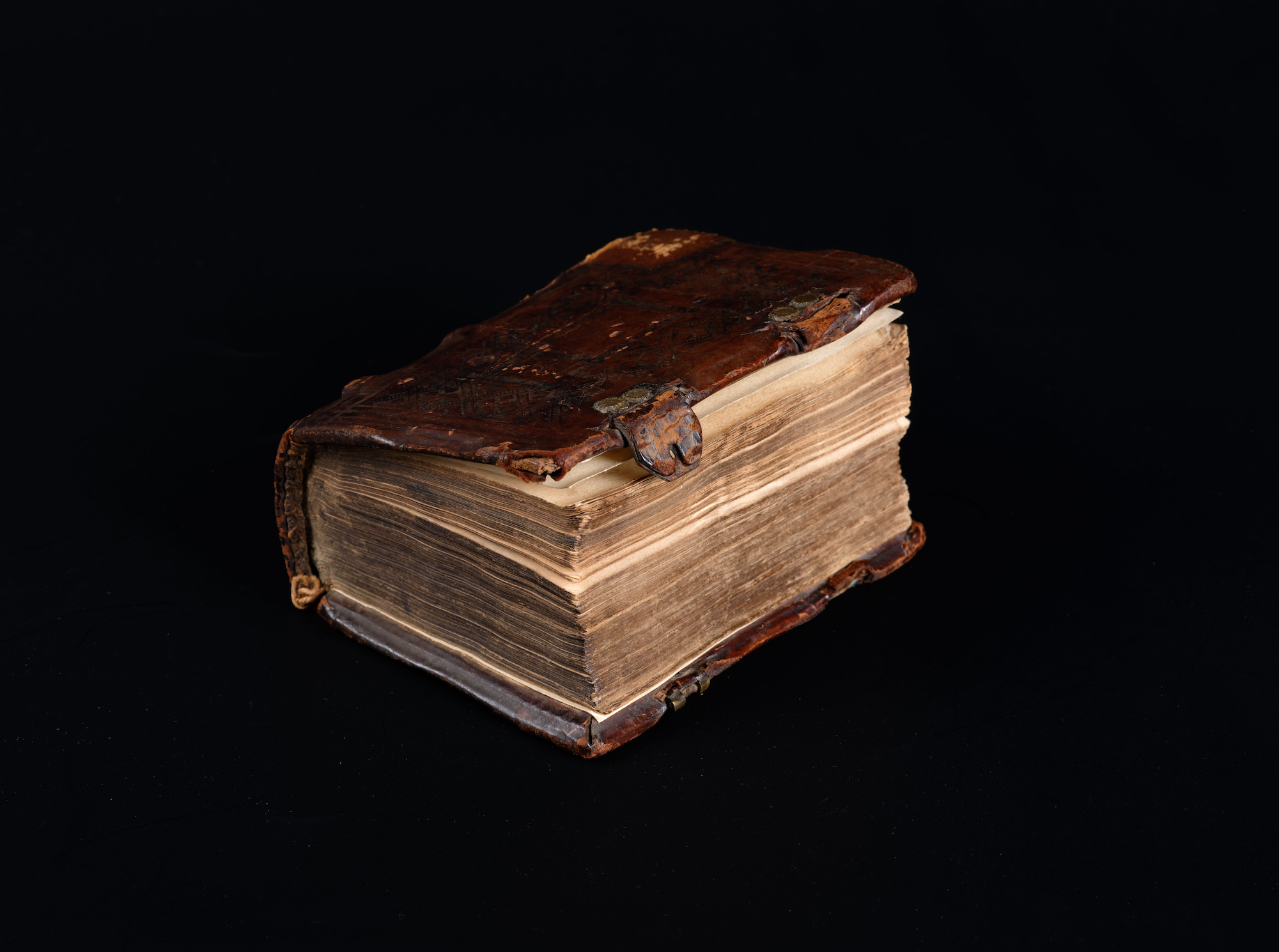
Leenaert Clock († after 1638) was a German Anabaptist minister who settled in the Netherlands before 1590 and became an important writer of Dutch-language spiritual songs. His first hymnbook, Veelderhande schriftuerlijcke nieuwe liedekens (Utrecht, 1593), is an early example of his substantial hymnological oeuvre. The collection closely reflects the Scripture-oriented piety of the Anabaptists and demonstrates how hymns functioned as a means of building the community.
Clock went on to publish several more hymnbooks, which were widely circulated. One of his best-known hymns was included in the Ausbund as hymn 131 and is still sung today as the second hymn in the services of Old Order and New Order Amish and Mennonite communities in several countries.
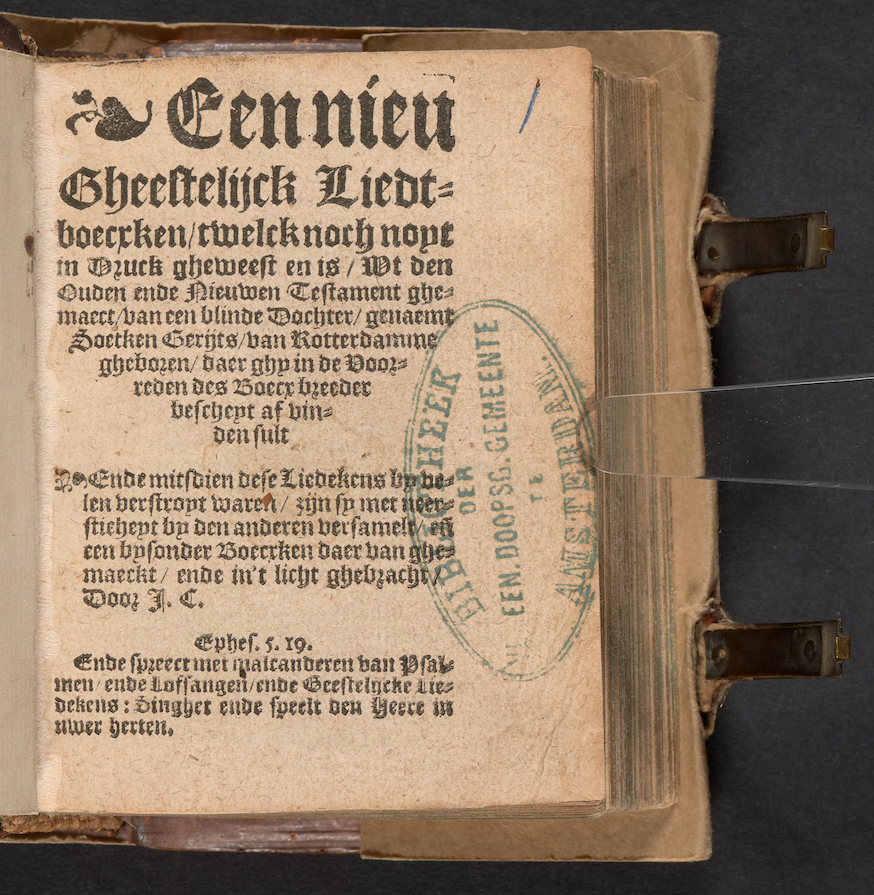
Female voices can also be found in the early Anabaptist song tradition. Soetjen Gerrits († 1572), for example, is regarded as the first female poet of the Reformation in the Low Countries. What makes her particularly remarkable is that she was blind and therefore unable to read or write, yet still produced a large body of poetry, doing so at a time of religious persecution. Ministers often asked her to compose songs. Since she could not write herself, she dictated her texts to others. In this way, her songs circulated within small communities on handwritten sheets. Some of them were included in the aforementioned anthologies Veelderhande liedekens. In 1592, twenty years after her death, a collection of her hymns was published under the title Een nieu gheestelijck liedtboecxken. A digitized copy is already available through Google Books and the work was therefore not included in the first phase of the digitization project.
Hymnbooks provide insight into the different ways in which Anabaptists read the Bible and expressed their beliefs in words throughout the centuries. Digitizing these works is therefore of great value, both for the study of Anabaptist history in particular and of religious diversity more broadly.