DSC Member Spotlight: Ana Manzano Rodríguez
2 November 2026
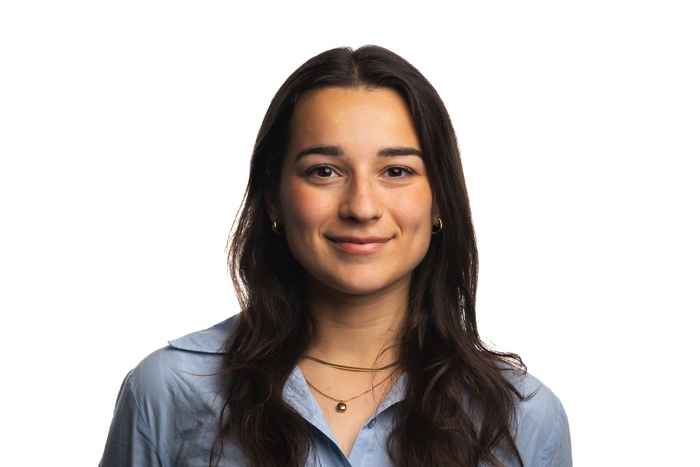
Tell us more about your role and how do you apply data science to your projects
I am a PhD candidate at the HAVA Lab, where my research sits at the intersection of computer vision and surgery. I develop AI models that can understand what is happening in surgical videos, from recognizing which phase of a procedure is taking place to identifying the specific instruments and anatomical structures involved.
The goal is to build systems that can eventually support surgeons with real-time, context-aware feedback in the operating room. This requires combining techniques from video understanding, natural language processing, and clinical knowledge, making it a truly interdisciplinary effort between computer science and medicine.
Is there a project from this past year that you are most proud of?
I am most proud of our paper published in the British Journal of Surgery, "Bridging the gap: exposing the hidden challenges towards adoption of artificial intelligence in surgery." It was a great opportunity to step back from the purely technical side and reflect on what it actually takes for AI to make it into the operating room, from data quality and regulatory hurdles to the collaboration gap between engineers and clinicians. It also gave me a broader perspective on the challenges that lie beyond the technical side of my research.
What do you like most about being a DSC member?
What I like most is the range of disciplines in one community. In the HAVA Lab alone we have people working on everything from dental AI to video ethics to advertisement understanding, and the DSC brings together an even wider variety of backgrounds. You often find that domains that seem very different actually have more in common than you would expect, and that is what keeps things interesting.
What is your favourite data science method?
My favourite method right now would probably be contrastive vision-language pretraining. The idea that you can train a model to connect what it sees in a video with a text description is very powerful. In surgery, this means you can make use of knowledge that is already available, from operative reports and textbooks to what surgeons say during the procedure itself, to teach a model to understand what is happening. It feels like a very natural way to approach the problem.
Are you camp Python/R/or something else?
Python! I don't think my terminal has seen anything else in years.