Corina Benschop appointed Professor by Special Appointment of Forensic Human Biology
12 November 2026
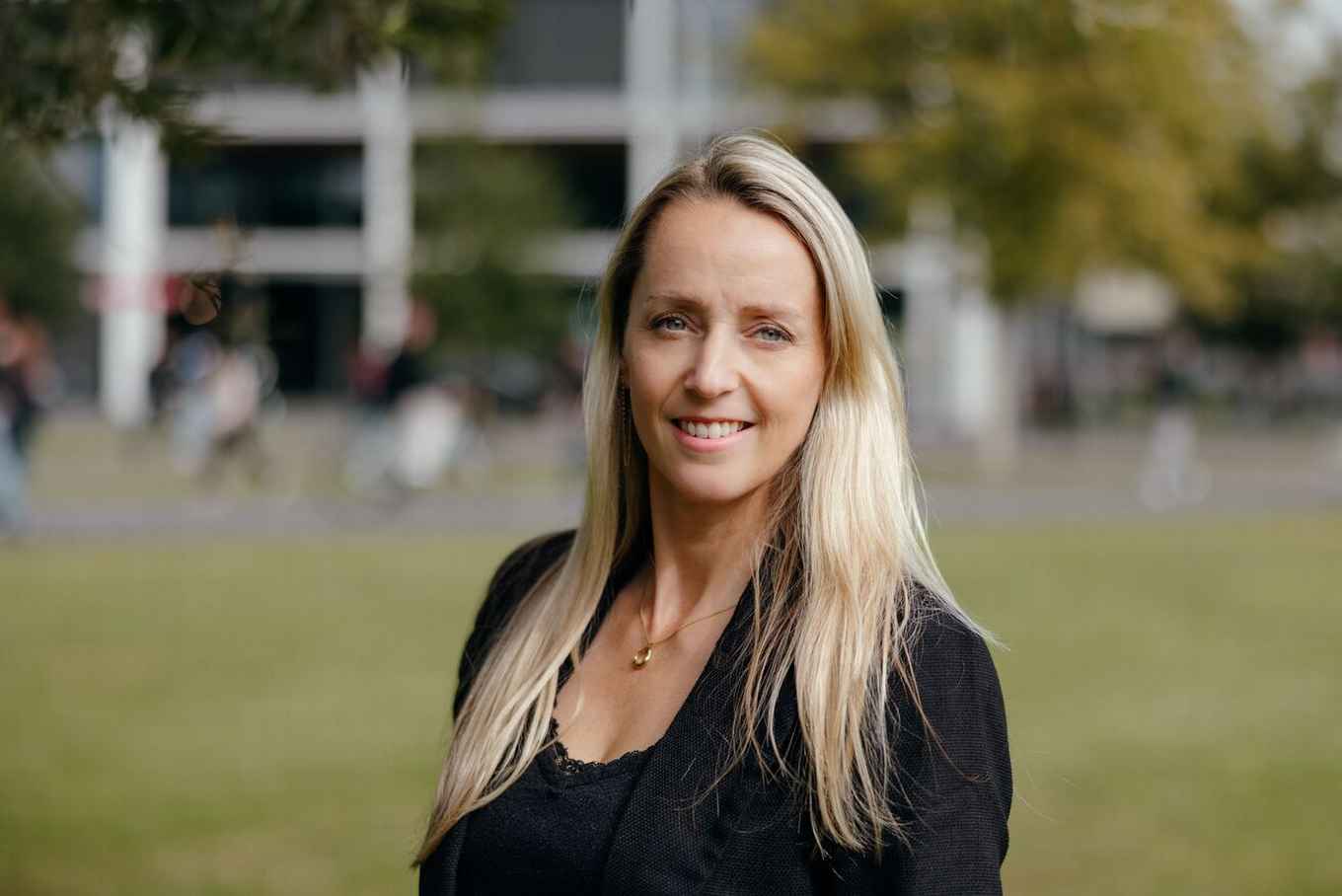
Benschop will focus on developing innovative, data-driven methods for forensic human biology. By bringing together forensic expertise and data science, she aims to support robust forensic investigations and help establish the truth in criminal cases.
With increasingly sensitive DNA techniques and new analytical methods, we have more forensic data at our disposal than ever before. The next step is to make the best possible use of these data. By linking forensic human biology with data science, we can explore the new insights and applications this could offer for forensic investigations.Corina Benschop
From DNA analysis to data science
Forensic human biology involves the examination of biological traces of human origin, including DNA. DNA analysis plays an important role in criminal investigations and the evaluation of evidence. Over recent decades, DNA analysis techniques have become increasingly sensitive and advanced, making it possible to examine and interpret complex DNA mixture profiles.
At the same time, the volume of data generated by forensic investigations is growing, partly as a result of automation, advanced statistical methods and new analytical techniques. These developments create opportunities to make better use of available data in scientific research and in the further development of forensic methods. Data science, for example, can help identify patterns in previous investigations and combine knowledge from different cases. Such a method could support a DNA expert in deciding on the next steps in an investigation, without taking that professional decision out of their hands.
Collaboration and talent development
With the chair in Forensic Human Biology, the UvA and the NFI are joining forces to strengthen the connection between forensic human biology and data science, both in research and in the training of a new generation of professionals.
Bringing together different areas of expertise and perspectives, nationally and internationally, creates opportunities for new research directions and applications in forensic human biology. That synergy is incredibly valuableCorina Benschop
About Corina Benschop
Corina Benschop combines her professorship at the UvA with her role at the NFI, where she has worked as a research scientist in the Biological Traces division for twenty years. She specialises in forensic DNA analysis and received her PhD from the University of Amsterdam in 2012. Alongside her work at the NFI, Benschop is active in international organisations, including the International Society for Forensic Genetics (ISFG) and the European Network of Forensic Science Institutes (ENFSI).