Open Science Award 2026: Project AWeSoMe
31 August 2026
How does your project make science concretely more open or accessible than it was before?
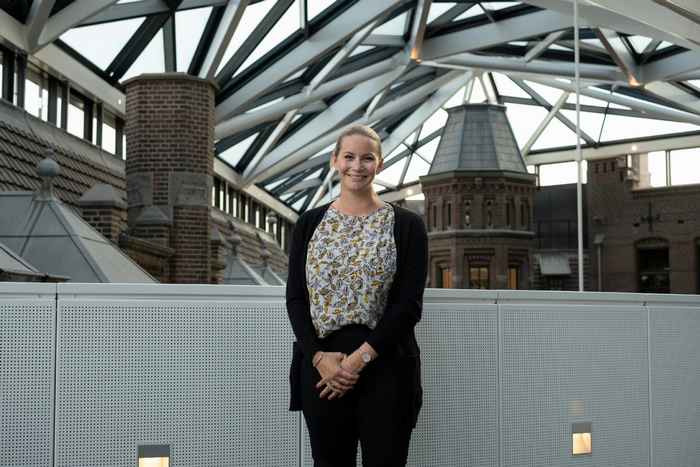
Assistent Professor Youth & Media Entertainment Amber van der Wal: "With Project AWeSoMe (Adolescents, Well-being & Social Media), we have pioneered person-specific approaches that move beyond group averages and help researchers understand how social media affects individuals differently. We have also developed and openly shared methods for collecting and analyzing platform data, including Instagram and TikTok archives. By making these approaches, workflows, and analytical tools openly available, we enable other researchers to adopt and build on them, making social media research more accessible and reproducible."
What was the biggest challenge you encountered, and how did you/your team address it?
"One major challenge was that collecting and analyzing TikTok archives from adolescents requires enormous storage and processing capacity, which is not available to every researcher. To address this, we developed methods that can be applied at different levels of complexity. For example, we created an accessible “entry-level” approach based on video metadata, allowing researchers with limited resources to still conduct meaningful analyses of social media content."
If other researchers were to adopt one thing from your project tomorrow, what should it be?
"That Open Science is about more than sharing data and codes at the end of a project. The greatest gains come when openness is embedded throughout the research process—from involving participants in study design, to preregistration, transparent workflows, and sharing methods that others can readily use and improve. In our experience, this not only strengthens the quality and reproducibility of research, but also accelerates scientific progress by enabling others to build on your work."
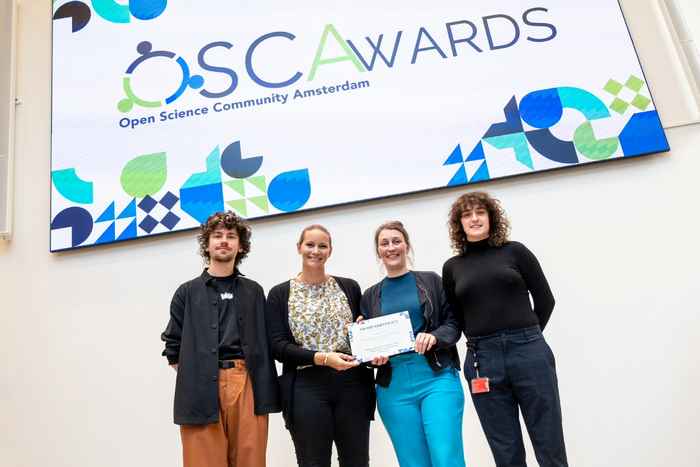
Open science is a collective effort; behind this project stands a team. Amber van der Wal works on this together with: Ine Beyens, Rebecca Godard, Inga Vondenhof & Konrad Mikalauskas (University of Amsterdam(UvA), Amsterdam School of Communication Research).
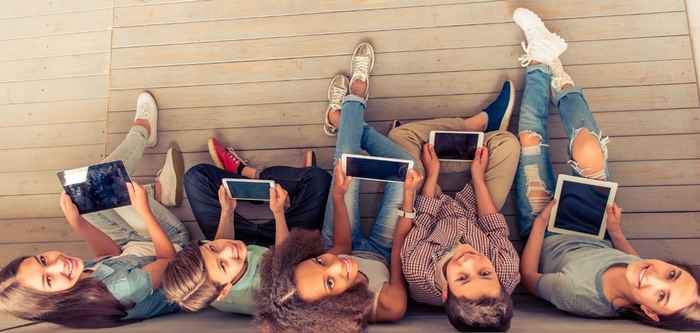
Project AWeSoMe (Adolescents, Well-being & Social Media) investigates the relationship between adolescents’ use of social media and their well-being. They do this through experience-sampling studies, a 100-day diary study and a large-scale data donation project. Project AWeSoMe aims not only to advance scientific knowledge, but also to provide parents, teachers, policymakers and young people themselves with practical tools to manage their use of social media more effectively.